
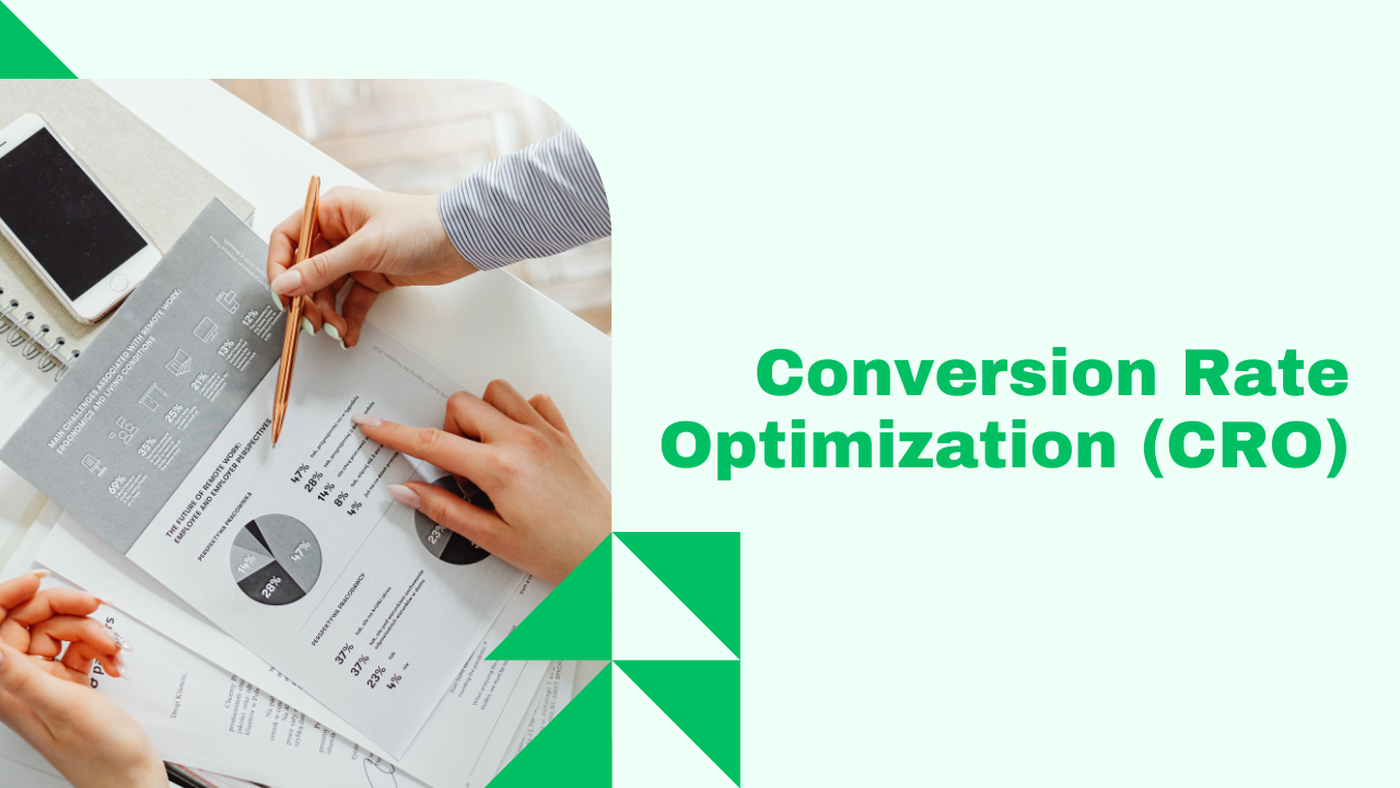
Conversion Rate Optimization (CRO) stands as a critical process in the digital marketing landscape. At its core, CRO focuses on increasing the percentage of website visitors who take desired actions, such as making a purchase, signing up for a newsletter, or filling out a contact form. Understanding and implementing effective CRO strategies can significantly impact a business’s bottom line, making it an essential aspect of any digital marketing effort.
The Foundations of CRO
CRO involves a systematic approach to improving the performance of a website. This process typically includes:
- Data collection and analysis
- Forming hypotheses
- Creating variations
- Running tests
- Analyzing results
- Implementing winning changes
By following this methodology, businesses can make data-driven decisions to enhance their website’s performance continually.
Key Elements of CRO
User Experience (UX)
A seamless and intuitive user experience forms the bedrock of successful CRO. This encompasses:
- Clear and logical navigation
- Fast loading times
- Mobile responsiveness
- Intuitive design elements
Enhancing UX often leads to higher engagement rates and, ultimately, more conversions.
Value Proposition
A compelling value proposition communicates the unique benefits of a product or service. Clarity in messaging helps potential customers understand why they should choose one offering over competitors. Effective value propositions typically:
- Address specific customer pain points
- Highlight unique features or benefits
- Use concise and clear language
Call-to-Action (CTA)
CTAs guide visitors towards desired actions. Effective CTAs often share these characteristics:
- Clear and action-oriented language
- Contrasting colors that stand out from the page
- Strategic placement on the page
- A sense of urgency or exclusivity
Trust Signals
Building trust with potential customers plays a crucial role in increasing conversions. Common trust signals include:
- Customer testimonials and reviews
- Security badges and certifications
- Money-back guarantees
- Clear privacy policies
Page Load Speed
In today’s fast-paced digital world, page load speed can make or break conversions. Slow-loading pages often lead to high bounce rates and lost opportunities. Optimizing images, leveraging browser caching, and minimizing code can significantly improve load times.
CRO Techniques and Strategies
A/B Testing
A/B testing, also known as split testing, involves comparing two versions of a webpage to see which performs better. This method allows for data-driven decision-making by testing specific elements such as:
- Headlines
- CTAs
- Images
- Page layouts
Multivariate Testing
Multivariate testing takes A/B testing a step further by testing multiple variables simultaneously. This approach can provide insights into how different elements interact with each other, leading to more nuanced optimization strategies.
Heat Mapping
Heat mapping tools visualize user behavior on a website, showing where visitors click, how far they scroll, and which areas receive the most attention. This information can guide design decisions and help prioritize content placement.
User Surveys and Feedback
Direct feedback from users can provide valuable insights into potential barriers to conversion. Implementing on-site surveys, exit-intent popups, or post-purchase questionnaires can uncover pain points and areas for improvement.
Personalization
Tailoring the user experience based on visitor characteristics, behavior, or preferences can significantly boost conversion rates. Personalization might include:
- Product recommendations based on browsing history
- Geolocation-based content or offers
- Customized landing pages for different traffic sources
Common CRO Pitfalls to Avoid
Ignoring Mobile Users
With the increasing prevalence of mobile browsing, neglecting mobile optimization can severely impact conversion rates. Ensuring a responsive design and mobile-friendly user experience is crucial.
Overlooking Site Speed
As mentioned earlier, slow-loading pages can dramatically affect conversions. Regular performance audits and optimizations should be part of any CRO strategy.
Failing to Segment Audience
Treating all visitors the same can lead to missed opportunities. Segmenting the audience based on characteristics like traffic source, device type, or user behavior can lead to more targeted and effective optimization efforts.
Disregarding Qualitative Data
While quantitative data is crucial, qualitative insights from user feedback, surveys, and usability testing can provide context and uncover issues that numbers alone might miss.
Expecting Overnight Results
CRO is an ongoing process, not a one-time fix. Patience and persistence are key, as significant improvements often come from cumulative small wins over time.
Measuring CRO Success
Tracking the right metrics is crucial for evaluating the success of CRO efforts. Key metrics to monitor include:
- Conversion rate: The percentage of visitors who complete desired actions
- Bounce rate: The percentage of visitors who leave without interacting with the page
- Average time on page: How long visitors spend on a particular page
- Pages per session: The number of pages viewed in a single visit
- Cart abandonment rate: For e-commerce sites, the percentage of users who add items to their cart but don’t complete the purchase
The Future of CRO
As technology evolves, so do the possibilities for Conversion Rate Optimization . Emerging trends to watch include:
- AI-driven personalization
- Voice search optimization
- Augmented reality product visualization
- Progressive web apps
- Advanced analytics and machine learning for predictive optimization
Staying abreast of these developments can give businesses a competitive edge in their CRO efforts.
Conclusion
Conversion Rate Optimization stands as a powerful tool for businesses looking to maximize the value of their web traffic. By methodically testing and refining various elements of the user experience, companies can significantly increase their conversion rates and, ultimately, their bottom line.
Success in Conversion Rate Optimization requires a combination of analytical thinking, creativity, and a deep understanding of user psychology. It’s an ongoing process of learning, testing, and refining. By avoiding common pitfalls and staying up-to-date with emerging trends, businesses can create a robust Conversion Rate Optimization strategy that drives continuous improvement.
Remember, the goal of Conversion Rate Optimization isn’t just to increase conversions in the short term, but to create a better overall experience for users. This user-centric approach not only leads to higher conversion rates but also fosters customer loyalty and positive brand associations in the long run.
visit our
Website : https://digitalsolutiontech.com/
LinkedIn: https://www.linkedin.com/company/digitalsolutiontech/






Leave A Comment